Tower of London and the City: royal London guide
Do you need a ticket for the Tower of London and Tower Bridge?
The Tower of London's interior — the Crown Jewels and the White Tower — is paid entry and books up early. Watching the King's Guard sentries outside, walking across Tower Bridge, and wandering the City's streets are free; only the Tower Bridge Exhibition (the high-level walkways and engine rooms) charges admission.
Free versus paid: the split that trips people up
The Tower of London and the City sit next to each other by the Thames, and both mix things that cost nothing with things that need a ticket. Get the split wrong and you either queue for something free or miss booking something that sells out.
Free: watching the Tower’s sentries on duty outside the walls, photographing the fortress from the riverside path, walking across Tower Bridge on its ordinary road-level pavements, and wandering the City’s streets, churches and Monument viewpoint (small charge for Monument itself, but no ticket needed to walk past it). None of this needs booking.
Paid: the Tower of London’s interior — the grounds, the White Tower, the Crown Jewels — and the Tower Bridge Exhibition, which is the high-level glass-floor walkway and the Victorian engine rooms, not the bridge itself. These are separate tickets from separate operators (Historic Royal Palaces runs the Tower; the City of London Corporation runs the Bridge Exhibition), and neither is covered by a national-museum free-entry policy, because the Tower is a royal palace, not a museum.
If you only have an hour and don’t want to pay, you can still get a genuine sense of the place: sentries, the moat, the walls, Tower Bridge from outside, and a walk into the City. If you want the Crown Jewels, book ahead — Tower of London entry regularly sells out on its own website days in advance, especially in July and August.
What’s actually inside the Tower of London
The Tower of London isn’t a single building. It’s a walled complex, and what you see depends on where you go inside it.
- The Crown Jewels, in the Jewel House, is the single biggest draw and the main queue. Expect a moving walkway past the coronation regalia, not a leisurely browse.
- The White Tower, the original Norman keep from the 1070s, holds the Royal Armouries collection — armour, weapons, and the line of kings displayed in it.
- The Yeoman Warders (Beefeaters) run free guided tours included with admission, departing roughly every 30 minutes, and they’re genuinely worth timing your visit around — they cover the executions, the ravens, and the building’s darker history better than any audio guide.
- The ravens live on-site by tradition (the story that the kingdom falls if they leave is folklore, not policy, but the Tower still keeps them).
Entry tickets are date-and-time-stamped for arrival, not for how long you stay once inside, so a morning slot still lets you linger into the afternoon.
a skip-the-line Crown Jewels and Tower history ticket avoids the general-admission queue, which on a summer morning can run 30-45 minutes on its own.
For something more personal, a small-group tour with a Beefeater meet and greet adds direct access to a Yeoman Warder beyond the standard free tour slots — useful if you want questions answered rather than just the scripted talk.
Tower Bridge: two different visits, one address
Tower Bridge causes real confusion because the name covers two unrelated experiences.
Walking across it is free, any time, like any other London bridge — it’s a functioning road with a footpath either side, and it’s still raised for tall ships several times a month (the lift schedule is published online, worth checking if you want to see it in action).
The Tower Bridge Exhibition is the paid part: lifts up into the towers, the glass-floor walkway 42 metres above the road, and the original Victorian steam engine rooms that used to raise the bridge. It’s a different ticket from the Tower of London, bought and entered separately, even though the two sites are a five-minute walk apart.
A common mistake is assuming a Tower of London ticket includes the Bridge, or vice versa — it doesn’t, and Historic Royal Palaces and the City of London Corporation don’t share a combined ticket as standard.
a London sightseeing pass that bundles Tower Bridge Exhibition entry with other top sights is worth comparing against separate tickets if you’re planning to see several paid attractions in the same trip — check what’s actually included before assuming it’s cheaper.
The City: London’s financial square mile
The City of London — locals just call it “the City” — is easy to underrate because it looks, from a distance, like an office district. It is one, but it’s also one of the oldest parts of London, roughly tracing the Roman and medieval city walls, and it rewards a slow walk rather than a checklist.
Worth seeing on foot, all free: St Paul’s Cathedral from outside (entry inside is paid), the Monument to the Great Fire of 1666 (small charge to climb it, free to see from the base), Leadenhall Market’s Victorian ironwork, and the huddle of Wren churches tucked between the glass towers. Weekday lunchtime is the liveliest time to be here — the City empties out noticeably on weekends, when most offices and many food stalls close.
The City connects directly to the Tower on foot along the Thames path, so the two are naturally paired into one day rather than two separate trips.
For a guided angle on the district’s history rather than a self-directed walk, a private tour covering the Tower and the surrounding City lets you set the pace and skip whichever parts you’ve already seen.
Free things you shouldn’t skip
Beyond the walk itself, a few genuinely free experiences in this part of London are easy to miss because they’re not sold as tickets:
- The Tower’s sentries, the King’s Guard on duty at the Queen’s House, visible from outside the walls without a ticket.
- The Ceremony of the Keys, the 700-year-old nightly ritual of locking the Tower gates, still performed every night at 9:53pm. It’s free, but you must apply for a place through Historic Royal Palaces months ahead — it isn’t a walk-up.
- St Dunstan-in-the-East, a bombed City church left as a public garden, one of the more atmospheric free spots in the area and rarely crowded.
- Views from the north bank of the Thames toward Tower Bridge and the Tower at dusk, when the fortress is lit and the crowds have mostly gone.
Windsor: the other royal interior, and why it’s different
If the Tower has you thinking about royal palaces more broadly, Windsor is the obvious next stop — and it comes with a caveat the Tower doesn’t. Windsor Castle is the largest inhabited castle in the world and remains a working royal residence, not a museum piece. That means the State Apartments can close on short notice for state visits or official functions, sometimes announced only a day or two ahead. It doesn’t happen constantly, but it happens often enough that booking a non-refundable train ticket around a single Windsor visit carries some risk the Tower of London simply doesn’t.
The Tower, by contrast, is a former royal residence — no one lives there now, so its opening hours are stable and published well in advance. If your schedule is tight and you can only build one day fully around a royal interior without a backup plan, that’s worth weighing.
Full detail on Windsor’s opening pattern, Eton across the river, and how to plan around a possible closure is in the Windsor and Eton guide.
Getting there
The Tower and the City sit in zone 1, well served by public transport — a car is never useful here and the City’s narrow one-way streets make driving actively unpleasant.
| From | Tube/rail | Journey time |
|---|---|---|
| Westminster | District/Circle line to Tower Hill | ~20 min |
| King’s Cross | Circle line to Tower Hill, or Hammersmith & City | ~25 min |
| Paddington | Circle line direct to Tower Hill | ~35 min |
| Liverpool Street (for the City) | Walk or short Circle line hop | 5-15 min |
Tower Hill is the closest station to the Tower itself; London Bridge station is closer if you’re heading to Tower Bridge’s south side first. Both stops take Oyster and contactless with the same daily cap as the rest of the network.
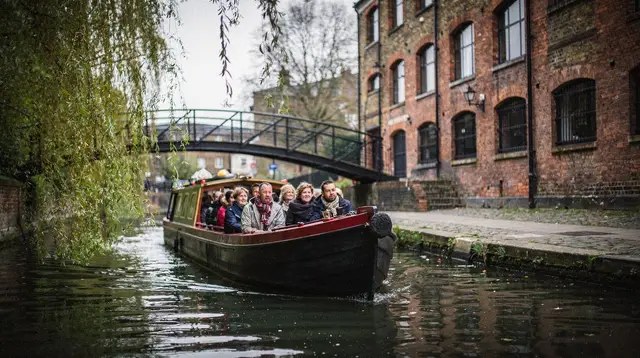
A riverboat along the Thames is a scenic, slightly slower alternative from Westminster or the South Bank, and drops you right at Tower Pier.
Prices and timing at a glance
| What | Free or paid | Typical time needed |
|---|---|---|
| Tower of London (grounds, Crown Jewels, White Tower) | Paid, book ahead | 2-3 hours |
| Yeoman Warder free tour (included in Tower ticket) | Included with entry | 45-60 min |
| Ceremony of the Keys | Free, apply months ahead | ~1 hour, evening |
| Tower Bridge (walking across) | Free | 10-15 min |
| Tower Bridge Exhibition (walkways + engine rooms) | Paid | 45-60 min |
| The City (churches, Monument exterior, streets) | Free | 1-2 hours |
| Monument climb | Small paid charge | 20-30 min |
Exact prices change and vary by season and how far ahead you book, so treat this as a shape, not a quote — check the current figure on the tour page or the official site before you commit.
Combining it with the rest of London
The Tower and the City pair naturally with a Thames-side day: start at Westminster in the morning, work east along the river, and finish at the Tower and Tower Bridge in the afternoon or early evening when the light and the crowds both improve. A river cruise between the two covers the distance without the tube.
If you’re building a longer royal-themed trip, see the wider royal London guide for how the Tower fits alongside Buckingham Palace and Windsor, or the three-day royal London itinerary for a full plan. For a broader look at what else the district offers beyond the Tower itself, the City tours guide and London history tours guide cover the guided options in more depth, and Harry Potter filming connections in the area are worth a look if that’s part of your trip too.
One reader question worth answering directly: is the Tower of London actually worth it? For most first-time visitors, yes — but only the paid interior, not a free add-on, so budget for it deliberately rather than assuming it’s covered like the national museums are.
If you’re travelling from outside the UK, confirm your entry requirements before booking anything — the ETA and entry rules guide covers what’s needed and where to apply.
For something lighter than the Tower’s queues, a hop-on hop-off bus route that stops near the Tower is a reasonable way to combine this area with Westminster and the West End in one ticket, without committing to a fixed walking route.
Tower of London and the City: your questions answered
Is the Tower of London free to visit?
No. The Tower of London is a paid attraction. You can see the Beefeaters and the sentries and photograph the walls from outside for free, but entry to the grounds, the Crown Jewels and the White Tower requires a ticket, and it’s worth booking ahead.
Is Tower Bridge free to walk across?
Yes, walking across Tower Bridge on the road-level pavements costs nothing — it’s a working London bridge. The paid part is the Tower Bridge Exhibition: the high-level glass-floor walkways and the Victorian engine rooms.
What’s the difference between the Tower of London and Tower Bridge?
The Tower of London is a medieval fortress and former royal residence that holds the Crown Jewels. Tower Bridge is the bascule bridge next to it, built centuries later. They’re neighbours, not the same site, and each has its own ticket.
Can you see a changing of the guard at the Tower of London?
The Tower has its own guard, the Queen’s House sentries, and you can watch them on duty outside for free. The Ceremony of the Keys, the Tower’s nightly locking-up ritual, is also free but you have to apply for a slot months in advance through Historic Royal Palaces.
Is the City of London the same as London?
No. The City of London (often just “the City”) is a one-square-mile financial district with its own local government, inside the wider city of London. It’s mostly office towers and historic churches on weekdays, and noticeably quiet at weekends.
How much time should I budget for the Tower of London?
Two to three hours for the Tower itself, including the Crown Jewels queue, plus 30-45 minutes if you also want to walk across Tower Bridge or visit the Exhibition. Add the City’s churches and Monument if you’re combining the two in one day.
Is Windsor Castle part of this area of London?
No. Windsor is a separate town west of London, near Heathrow, not part of the Tower/City area. It’s mentioned here because it’s the other big paid royal interior in the region, with the added twist that it’s a working residence that can close on short notice.
Changing of the Guard and palace tours on GetYourGuide
Verified deep-linked GetYourGuide tours. Book through these links and we earn a small commission at no cost to you.
GetYourGuide does not provide a product photo for this activity — the image shows the meeting point, photographed by us.