London for couples and romantic breaks
Is London a good destination for a romantic break?
Yes. London works well for two to four nights, with walkable riverside areas, free national museums, and a wide range of paid experiences from candlelit dinners to private photo sessions. Book flights, the UK ETA, and any evening restaurant or theatre slot before you travel; everything else can be arranged once you land.
Planning a couples’ trip to London that actually works
London rewards a slower pace more than a checklist. For two people, the trip that works best usually covers one or two central neighbourhoods properly rather than sprinting across the whole city. This guide sticks to the planning decisions that matter for a couple specifically — how long to stay, where to base yourselves, what a realistic budget looks like in GBP, and which paid experiences are worth the extra cost for two people rather than a solo or group price. For neighbourhood-level detail on what to actually do once you’ve picked a base, the linked destination and things-to-do pages go deeper than a generalist page like this one can.
None of the practical groundwork changes because you’re travelling as a couple rather than solo: the currency is still the pound sterling (GBP), never the euro; the UK drives on the left; and most visitors, including EU nationals, need a UK Electronic Travel Authorisation (ETA) before departure, applied for only through gov.uk/eta. What changes is pacing, budget allocation, and which paid extras are worth booking for two.
How many days to plan for
Three to four days is the sweet spot for a first romantic trip to London. That’s enough time to properly cover one central area on foot — Westminster or South Bank, say — plus a slower second day somewhere like Greenwich, with an evening left over for a meal or a show without feeling rushed the next morning.
Two days is workable for a stopover but forces a choice: one side of the river, one evening activity, and little slack if the Tube is disrupted or the weather turns, which it does often in a city with no dry season.
| Length of stay | What’s realistic | What to skip |
|---|---|---|
| 2 days | One central area, one evening activity, one free museum | A day trip out of London; anything requiring advance timed entry on both mornings |
| 3-4 days | Two central areas properly, one slower afternoon (Greenwich, Richmond), one paid couples’ experience | Trying to also fit in Oxford or the Cotswolds — that needs its own day |
| 5-7 days | Central London plus one day trip (Windsor, Bath, or Brighton), room for a rainy-day backup | Packing in more than one day trip; the trains are comfortable but travel time adds up |
If a day trip is part of the plan, treat it as a separate day rather than squeezing it into a city itinerary — see the linked day trip planning guide for how the main departure stations line up with each direction.
If your schedule only allows a single free afternoon together in an otherwise packed trip — a stopover before a work commitment, say — the honest choice is South Bank over a rushed version of Westminster. Walking the river path from the London Eye past Tate Modern to Borough Market takes under an hour at a relaxed pace, needs no advance booking, and gives you one coherent stretch of time together rather than three unconnected landmarks glimpsed through a Tube window. Save Westminster Abbey and the Tower of London for a trip where you have a full day to queue and go through security twice.
Where to stay as a couple
Location matters more for a couple’s short trip than for a longer, more flexible visit, because every extra Tube change eats into time you’d rather spend together. Two areas consistently work well without the price tag of Kensington or Mayfair:
- South Bank puts you a short walk from the river, Tate Modern, Borough Market, and the West End across one of the bridges — useful for an evening without a long Tube ride home.
- Bloomsbury is quieter and closer to the British Museum, with good transport links to both the City and the West End, and generally lower room rates than the river-facing hotels.
Westminster and Kensington-Chelsea are beautiful bases but carry a real price premium for proximity to Buckingham Palace and the museums; they’re worth it for a special-occasion trip, not essential for a good one. The full breakdown of areas, price bands, and who each one suits is in the where to stay guide.
Neither South Bank nor Bloomsbury requires relying on a station with stairs-only access for the walk to the main sights: South Bank’s step-free route runs along the riverside path itself rather than through a Tube station, and Bloomsbury’s streets are flat compared with the hillier ground near the Tower of London. If either of you is managing a wheelchair, a pushchair, or limited mobility, check the step-free access map before booking a room near a station without a lift — several central Tube stations, including some on the Piccadilly line, still have long staircases and no alternative route. The dedicated accessible London guide covers step-free routes, quieter museum sessions, and which attractions handle wheelchairs and prams well, in more depth than this planning page can.
A realistic budget for two
Prices below are ranges in GBP, not fixed figures — always check the current price on the GetYourGuide or Viator listing, or the official site, before booking.
| Cost for two people | Typical range per day |
|---|---|
| Mid-range hotel room | £150-£280 |
| Food (one sit-down meal, two cafe stops) | £60-£110 |
| Transport (Oyster or contactless, zones 1-2) | £14-£20 combined, capped automatically |
| One paid attraction or activity for two | £40-£180 depending on the experience |
National museums — the British Museum, National Gallery, Tate Modern, the V&A — are free at the entrance, which helps offset an evening splurge. The one contactless detail worth knowing: TfL doesn’t cap the number of journeys you make, but your bank sets a per-transaction contactless limit (currently £100), which occasionally matters if you’re tapping in as a pair on one card. For the full money picture, including tipping norms and where prices tend to surprise first-time visitors, see the money and costs guide.
Booking ahead vs deciding on the day
Some things need booking well before you land; others are better left flexible.
Book in advance: flights, your UK ETA, hotel rooms for weekends, West End theatre tickets, and any timed-entry ticket to the Tower of London or a specific evening restaurant. A Magnum-branded dinner experience or a themed evening out is the kind of booking that sells out on the date you actually want.
Leave flexible: museum visits (free entry, no need to pre-book most slots), casual meals, and a first walk along the South Bank or through Greenwich Park. If the forecast turns, having one or two unbooked afternoons gives you room to swap an outdoor plan for a museum without losing money on a ticket.
Experiences worth booking for two
A few paid experiences are specifically better with two people than solo or in a group, because privacy or pacing is the point rather than an extra:
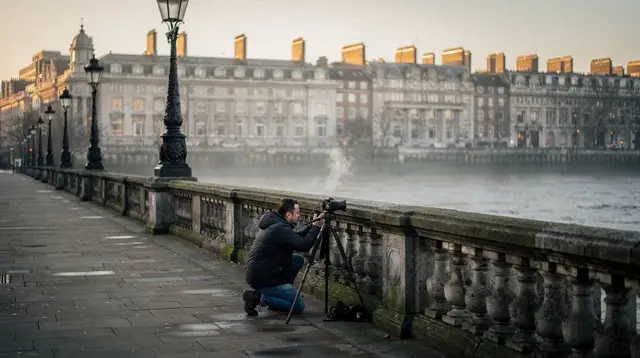
A private photography session at London’s landmarks gets you a set of proper photos together without asking a stranger to take one on a phone — worth it if you want something to show for the trip beyond a selfie in front of Big Ben.
The private capsule option on the London Eye buys a few minutes of quiet at height, away from a shared pod of strangers, which matters more for a couple than the view itself.
For an evening that isn’t a formal sit-down meal, a guided food tour through a London neighbourhood covers several small stops rather than committing to one restaurant, which suits two people who’d rather graze than order a full menu.
A slower, low-key evening option worth considering if neither of you wants a late night out: a paint and sip session pairs a drink with a couple of hours of doing something together rather than sightseeing.
None of these are essential — a good trip to London for two doesn’t require booking every day — but each solves a specific problem (privacy, pacing, or a change from sightseeing) better than the group-ticket equivalent.
A few things disappoint couples who arrive expecting a postcard image. The London Eye’s queue moves slowly even with a pre-booked slot, and the view from the top is often hazy or grey on an overcast day — common in a city with no dry season — rather than the crisp skyline shot in the marketing photos. Photographing Big Ben and the Houses of Parliament close up from the street usually means shooting into traffic and a crowded pavement on Westminster Bridge; the better angle, with fewer people in frame, is generally from across the river on the South Bank side. None of this makes the trip not worth it, but a couple expecting every landmark to look exactly like its marketing photo will be disappointed at least once.
Getting around together
You won’t need a car for London itself, and given that the UK drives on the left and central London has congestion charging, renting one for a city-only trip usually creates cost without benefit. Oyster or contactless payment on the Tube, buses, and river boats covers almost everything within zones 1-2, where most sights sit, with fares capped automatically per day and week — you don’t need to work out the cheapest combination yourself.
A Thames river cruise or boat trip is worth building into one afternoon specifically as a couple: it’s low-effort, gives you time to actually talk rather than navigate, and covers ground between central London and Greenwich that would otherwise mean two Tube changes.
A sample two-and-a-half-day outline
This is a starting point, not a fixed script — swap in whichever afternoon activity suits you and check current opening hours before you go.
Day 1 — Westminster and South Bank. Morning around Westminster Abbey and the Houses of Parliament from the outside (both are working buildings with real opening restrictions), then cross the river for the South Bank walk, Tate Modern, and an evening meal near Borough Market.
Day 2 — Museums and an evening out. A free morning at the British Museum or the V&A, an afternoon coffee break, then a booked evening — theatre in the West End, or one of the paired experiences above.
Half day 3 — Greenwich or a slower morning. Either a boat down to Greenwich for the Royal Observatory and the meridian line, or a lie-in followed by a last wander through whichever neighbourhood you liked most, before heading to whichever of London’s five airports your flight leaves from.
For a longer, day-by-day version of this same idea with more detail, see the dedicated four-day romantic break itinerary; for something built around an afternoon-tea centrepiece, the afternoon tea guide covers where it’s worth the price and where it’s an overpriced tourist add-on.
Weather, packing, and timing
London’s climate is temperate and changeable, with average temperatures running from around 8°C in January to about 23°C in July — there’s no dry season to build a trip around, and an overcast sky is common even in summer. Layers and a light waterproof do more for a two-day trip than one heavy coat. Clocks run on GMT in winter and BST (UTC+1) from late March to late October, which affects how much daylight you get for an evening walk.
Questions couples ask before booking a London trip
How many days do we need for a romantic trip to London?
Three to four days covers one or two central neighbourhoods properly without rushing between them. Two days is workable for a stopover but limits you to one side of the river and one evening activity.
Where should couples stay in London?
South Bank and Bloomsbury both offer walkable access to riverside routes, theatres, and free museums at a lower price than Westminster or Kensington-Chelsea. Book early for weekend dates, since central rooms sell out.
Do we need a visa or ETA to visit London as a couple?
Most visitors, including EU nationals, need a UK Electronic Travel Authorisation (ETA) before travel, applied for only at gov.uk/eta. Irish citizens are exempt under the Common Travel Area. Apply separately for each traveller well before departure.
What’s a realistic daily budget for two people in London?
A comfortable but not extravagant day for two — transport, food, and one paid activity — typically runs £120 to £220, depending on the neighbourhood and how many ticketed extras you add. Free entry to national museums helps stretch that.
Is a private or small-group experience worth it for a couple?
For a small number of moments, yes: a private photography session or a capsule ride buys privacy and pacing that a shared group ticket doesn’t, at a higher price per person.
What’s the most romantic time of year to visit London?
Late spring and early autumn balance longer daylight against smaller crowds than midsummer. Winter brings Christmas lights but shorter days and regular rain; London has no dry season, so pack for changeable weather whenever you go.
Can we get around London without a car?
Yes — Oyster or contactless payment covers the Tube, buses, and river boats with automatic fare capping, and it avoids the friction of driving on the left through central London’s congestion charge zone.
Is London too touristy for a romantic trip?
Central spots like Big Ben, Tower Bridge, and the London Eye are genuinely crowded, especially at midday and on weekends, but London is large enough that a short walk from any of them into Bloomsbury, Greenwich, or a quieter stretch of the South Bank restores a slower pace within minutes. Splitting the trip between one well-known area and one lower-key neighbourhood usually gives a couple both the landmark photos and the quieter moments, rather than picking one over the other.
What surprises couples most about a London romantic break?
How much walking is involved between Tube stops that look close together on the map, and how often the weather changes within a single afternoon regardless of season. Neither is a reason to skip London, but comfortable shoes and a light waterproof matter more here than in a destination with predictable sunshine.
Trip planning guides and practical tips on GetYourGuide
Verified deep-linked GetYourGuide tours. Book through these links and we earn a small commission at no cost to you.
GetYourGuide does not provide a product photo for this activity — the image shows the meeting point, photographed by us.