Best views of London: free viewpoints and paid tickets
What is the best view of London, and is it free?
There is no single best view — Primrose Hill and the Sky Garden are free and rank among the widest panoramas, while the London Eye, the Shard and the Ifs Cloud Cable Car charge for a ticket and sell out on weekends. Pick based on whether you want a skyline photo, a river-level view of specific landmarks, or a sit-down meal with a view.
Free viewpoints versus paid tickets
London’s skyline is genuinely worth chasing, but the honest first question is whether you need to pay for the view at all. A handful of the best vantage points cost nothing beyond your time, while others are ticketed attractions where the view is only part of what you’re buying. Knowing which is which before you plan a day saves both money and a wasted queue.
The free tier: Primrose Hill (north of Regent’s Park, a steep but short walk for a wide skyline that takes in the City and Canary Wharf), Greenwich Park’s One Tree Hill (a similar panorama from the south-east, next to the Royal Observatory), Waterloo Bridge (arguably the single best free vantage point over the Thames, level with the London Eye and Big Ben), and the Sky Garden at 20 Fenchurch Street — free to enter but requiring a booked timed slot.
The paid tier includes the London Eye, the View from The Shard, and crossings like the Ifs Cloud Cable Car over the Thames near Greenwich. These charge because you’re paying for height, a specific structure, or a controlled experience — not because the view itself is inherently worth more than what’s visible for free nearby.
What “free” actually means at national museums and free viewpoints
London’s national museums — the British Museum, the National Gallery, Tate Modern, Tate Britain, the Natural History Museum, the Science Museum and the V&A — are free to enter, permanently, by law of their founding charters. This is not a promotion or an off-season deal. Temporary exhibitions inside these museums are frequently ticketed and can sell out, so “free museum” does not always mean every room is free on the day you visit.
The same free-versus-paid split applies to skyline access. The Sky Garden costs nothing to enter, but every visitor — no exceptions — needs a slot booked online in advance through the building’s own site. Turning up without one means being turned away at the door, even on a quiet weekday. This is the most commonly misunderstood “free” attraction in London: free does not mean unrestricted access.
Why advance booking matters for high-demand sites
Advance booking exists for two different reasons, and it’s worth telling them apart. For genuinely free sites like the Sky Garden, booking is a capacity control — there is no revenue reason to require it, only a crowd-management one. For paid, high-demand sites like the Tower of London, the London Eye, and the View from The Shard, booking ahead usually also means a lower price than buying on the day, on top of guaranteeing a specific time slot.
Peak periods where this matters most: weekends year-round, UK school holidays (roughly late July to early September, plus a week around Christmas and Easter), and any sunset slot at a viewing platform, which sells out first regardless of season. A Tuesday morning in November has a completely different availability picture from a Saturday in August — the same ticket that requires booking three weeks ahead in summer can sometimes be bought at the door in winter.
The general rule for this guide’s five regions: book ahead for anything time-slotted (Tower of London, Warner Bros. Studio Tour, Sky Garden, popular West End shows), and treat anything without timed entry (most museums, most parks, most street markets) as walk-up only, because there’s nothing to book.
Skyline views: the paid options compared
| Viewpoint | Height / setting | Approx. price range | Booking need |
|---|---|---|---|
| London Eye | Thames-level, 360° rotation | £30–45 | Advance booking recommended, especially weekends |
| View from The Shard | Tallest building in western Europe | £35–50 | Timed entry, book ahead for sunset slots |
| Ifs Cloud Cable Car | River crossing near Greenwich, low altitude | £5–10 one way | Walk-up usually fine off-peak |
| Sky Garden | Free entry, City rooftop garden | Free | Mandatory timed slot, book days ahead |
| Rooftop restaurant/bar | Varies by venue, no separate entry fee | Cost of food/drink only | Table booking, not a ticket |
Treat this table as a starting point rather than the final word — venues adjust pricing seasonally, and the fiche for each option on GetYourGuide or Viator will show the exact price for your date, which is always more current than any number printed here.
For a Thames crossing that doubles as a quick aerial view near Greenwich and the O2, the Ifs Cloud Cable Car is one of the cheaper ticketed options on this list and rarely needs booking days ahead.
Weather and visibility: when a ticket is worth timing
London’s weather works against a paid viewpoint more often than it helps it: overcast, hazy skies are the default rather than the exception, and a £40 ticket bought on a grey afternoon buys the same fixed price for a flat, colourless skyline as a ticket bought on a clear one. There’s no refund or reschedule built into the price for cloud cover, so treat any ticketed viewpoint as weather-dependent even though the booking itself doesn’t check the forecast. The clearest light for photography tends to come in the hour before sunset on a rare cloudless day, which is also the single busiest and hardest slot to book — the trade-off between best light and available booking runs in opposite directions.
For a free viewpoint like Primrose Hill or Waterloo Bridge, a cloudy day costs nothing lost beyond a flatter photo, so it’s the lower-risk choice on a forecast that looks uncertain. Saving a paid ticket — the Shard especially, since height amplifies haze — for a day the forecast actually promises clear skies is the more reliable way to get a view worth the price, even if that means being flexible about which day of a trip it happens on.
Combining a view with dinner
One way to avoid paying for a standalone viewing ticket is to fold the view into a meal you were going to have anyway. A handful of restaurants above the City and South Bank offer skyline views as part of the dining room itself, with no separate entry fee — you pay for the meal, not the height. If an evening out is already on the itinerary, a rooftop dinner with London skyline views effectively replaces a £35 Shard ticket with a meal you’d be buying regardless.
Seeing the skyline from a bike or a car
Not every view of London requires standing still and paying for height. Moving through the city at street level gives a different kind of view — bridges, riverside terraces, and sudden openings between buildings that a fixed platform can’t offer. A Best of London electric bike tour covers several of the free vantage points (Waterloo Bridge, the South Bank, the City skyline from across the river) in a single loop, which is a reasonable way to see multiple “free” viewpoints without walking between all of them.
For a lower-effort version of the same idea, an e-bike tour of London covers similar ground with less physical exertion, useful if a long walking day isn’t appealing. And for a full day covering the Tower of London and the City through to Westminster without the logistics of public transport between each stop, a full day panoramic private car tour moves you between viewpoints on a fixed schedule.
Step-free access and queue times
All of the major paid viewpoints covered here — the London Eye, the View from The Shard and the Ifs Cloud Cable Car — are step-free, with lifts to the boarding or viewing level, and each publishes its own accessibility information for wheelchair users and visitors with reduced mobility on its own ticketing page rather than through GetYourGuide or Viator directly. Sky Garden is also step-free but, because entry is timed and capacity-limited, arriving even a few minutes late on a booked slot can mean a wait for the next available lift group rather than automatic entry.
Queue length is the other practical variable that a ticket price doesn’t tell you. A pre-booked, timed ticket for the Eye or the Shard usually comes with a separate, shorter entry line than the queue for buying on the day, which on a summer weekend can run to an hour or more before you’ve even reached the ticket desk. Booking ahead therefore buys two things at once — a lower price in most cases, and a shorter wait — rather than just securing that a slot exists.
Views by district — where to go for detail
This guide covers London at the level of a single overview page. For the specific viewpoints, opening hours, and detailed practical notes attached to each part of the city, the district pages carry the real depth:
- Tower of London and the City: Tower Bridge views, the historic financial district skyline, river-level walks past the Tower.
- South Bank: London Eye, Waterloo Bridge, and the walk along the Thames past Tate Modern and Borough Market.
- West End: street-level views around Piccadilly Circus and Covent Garden rather than elevated ones.
- Kensington and Chelsea: park-level views across Hyde Park toward the museum quarter.
- Greenwich: the Royal Observatory hill, One Tree Hill, and the cable car crossing toward the O2.
For the full picture of London itself before narrowing to a district, start with the London destination page.
Free things beyond the view
If the goal for the day is minimising spend rather than maximising height, the free viewpoints in this guide pair naturally with London’s free national museums and open green spaces. A broader rundown of no-cost options across the city — not just viewpoints — sits in the dedicated guide to free things to do in London, and the British Museum and free museums guide covers the museum side of the same free-versus-paid split discussed above.
Views from the water
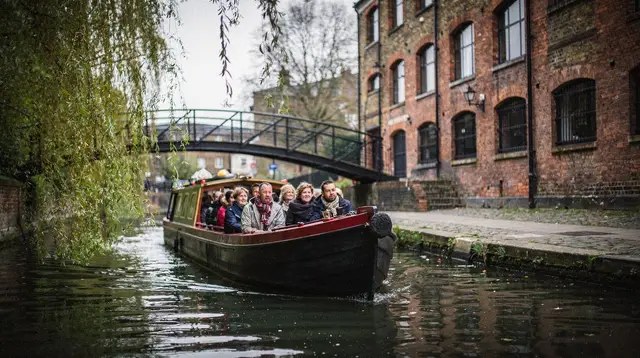
The Thames itself is a viewpoint, and river cruises offer a version of London’s skyline that neither a rooftop nor a bridge can replicate — looking up at bridges and buildings from river level rather than down at the city from above. The Thames river cruises guide covers routes, timing, and which stretches of the river give the best sightlines to landmarks like the Tower of London and the Palace of Westminster.
Is the Tower of London worth it for the view alone?
Not primarily — its value is historical (the Crown Jewels, the medieval fortress itself) rather than as a viewing platform, though the walk along its riverside walls does give a good angle on Tower Bridge. For a direct answer on whether the entry price is worth it given everything the site includes, see is the Tower of London worth it. For the same question about the London Eye specifically, is the London Eye worth it weighs the price against the roughly 30-minute experience.
What first-time visitors don’t always expect
A few things surprise visitors who arrive expecting an unobstructed, postcard-clear view every time. The glass at the top of the Shard and around the London Eye’s pods picks up reflections and occasional condensation, which can soften photos taken through it rather than beside it — bringing a lens hood or simply timing a shot when the glass is driest helps more than the ticket price does. The Eye’s rotation is also slower than first-time riders expect: a full circuit takes around 30 minutes, which feels closer to a gentle boat ride than a fairground attraction, and there’s no option to skip ahead if the queue for photos at the top is busy inside your own pod.
None of this makes these viewpoints not worth doing — it’s simply worth arriving without the expectation of a flawless, glare-free skyline every time, since London’s own weather and the practical realities of a busy attraction shape the experience as much as the view itself does.
Planning the ticket budget for a view-focused day
A day built mostly around free viewpoints (Primrose Hill in the morning, Sky Garden at sunset, a walk across Waterloo Bridge) can cost nothing beyond transport and a booked Sky Garden slot. A day that adds one paid attraction — the Eye, the Shard, or the cable car — typically adds £30–50 per person on top. Neither approach is more “correct”; the difference is what you’re optimising for. For a wider view of what a day or a week in London costs beyond viewpoints specifically, the budget planning tool breaks down typical daily spend by category, and the general attractions and tickets category page lists the full range of paid experiences across the city if a skyline view isn’t the only thing on the list for the day.
Frequently asked questions about London’s best views
Is the London Eye or the Shard the better view?
The Shard sits considerably higher and shows London as a whole city, including areas the Eye’s Thames-level position doesn’t reach. The Eye sits directly over the river next to Westminster, which makes for a more landmark-dense photo even from a lower vantage point.
Which London viewpoints are free?
Primrose Hill, Waterloo Bridge, Greenwich Park’s One Tree Hill, and the Sky Garden (with a mandatory booked slot) all cost nothing to visit. The Eye, the Shard, and the cable car all charge.
Do I need to book the Sky Garden ahead?
Yes, always. It’s free, but access is controlled entirely through advance online booking, and popular evening and weekend slots fill up days ahead.
What’s the cheapest paid viewpoint in London?
The Ifs Cloud Cable Car, at a few pounds for a single crossing, is the cheapest ticketed option that gives an elevated view, though it functions more as a river crossing near Greenwich than a dedicated viewing platform.
Can I see London’s skyline without paying for a ticket?
Yes — Primrose Hill and Waterloo Bridge give two of the widest free panoramas in the city, and a rooftop bar or restaurant with no entry fee is another route to a paid-feeling view without a ticket line.
Do paid viewpoints sell out?
The Shard and Eye both sell out at peak times — weekends, school holidays, and sunset slots especially. Weekday mornings in the off-season have much more walk-up availability.
Is a rooftop dinner a good substitute for a viewing ticket?
For an evening that already includes dinner, yes — it removes a separate entry cost entirely, since you’re paying for the meal rather than a standalone view.
How far in advance should I book a view-related ticket?
For anything with timed entry — the Shard, the Eye, the Sky Garden — a few days to a couple of weeks ahead covers most dates outside peak summer and school holidays; sunset slots and weekends benefit from booking further out.
Does the weather affect whether a paid viewpoint ticket is worth it?
Yes — London’s skies are overcast more often than clear, and a ticket price stays fixed regardless of visibility. Free viewpoints carry no such risk, so save a paid ticket, the Shard especially, for a day the forecast actually promises clear skies rather than booking automatically on arrival.
Are London’s paid viewpoints accessible for wheelchair users?
Yes — the London Eye, the View from The Shard and the Ifs Cloud Cable Car are all step-free with lift access, and each publishes its own accessibility details directly on its ticketing page. Sky Garden is step-free too, but a missed timed slot can mean waiting for the next available group rather than immediate entry.
London Eye and top attraction tickets on GetYourGuide
Verified deep-linked GetYourGuide tours. Book through these links and we earn a small commission at no cost to you.
GetYourGuide does not provide a product photo for this activity — the image shows the meeting point, photographed by us.