Food and drink in Kensington and Chelsea: markets, pubs and tourist traps to skip
Where should you eat in Kensington and Chelsea without overpaying near the museums?
Walk five to ten minutes away from the museum forecourts and Kensington Palace gates, where cafes charge a premium for the location. Exhibition Road, Old Brompton Road and the streets around South Kensington station have better-value cafes, pubs and a small food market, and a service charge is often already added to the bill in sit-down restaurants.
Why Kensington and Chelsea is a tricky place to eat well
Kensington and Chelsea has three of London’s best free museums within a few minutes’ walk of each other — the Victoria and Albert Museum, the Natural History Museum and the Science Museum — plus Kensington Palace and Hyde Park nearby. That concentration of sights is exactly why the food around it is uneven. The cafes closest to the museum entrances and the palace gates know they have a captive audience, and the prices reflect that. Walk a short distance further out and the picture changes: proper bakeries, small delis, gastropubs and a handful of independent restaurants that locals actually use.
This guide is about where to eat and drink in the area, which spots near the big sights are worth skipping, and the practical questions — tipping, service charges, what is free and what is not — that catch visitors out. It is not a ranked “best restaurants” list; treat it as a map of where the good value is and where the tourist markup starts.
Start from South Kensington, not from the museum forecourts
South Kensington Underground station is the natural base for this part of Kensington and Chelsea, and it sits within walking distance of the V&A, the Natural History Museum, the Science Museum and, a bit further north, Kensington Palace and Kensington Gardens. The mistake most visitors make is eating at whatever is directly outside a museum exit. That is the most expensive stretch of pavement in the neighbourhood for a coffee or a sandwich.
Exhibition Road, the pedestrianised strip running between the museums, has a reasonable spread of casual restaurants and coffee shops, and prices there are more competitive than the forecourt kiosks because there is more choice side by side. Old Brompton Road and Gloucester Road, a few minutes’ walk south and west, have independent cafes, a couple of long-running delis and better-value lunch spots that are not built around passing museum traffic.
If you are spending a full day on the free museums, it is worth planning your food stop as a deliberate walk away from the entrance rather than grabbing whatever is closest when you get hungry. A guided walking tour of the area can also cover this ground with someone who already knows which streets are worth a detour.
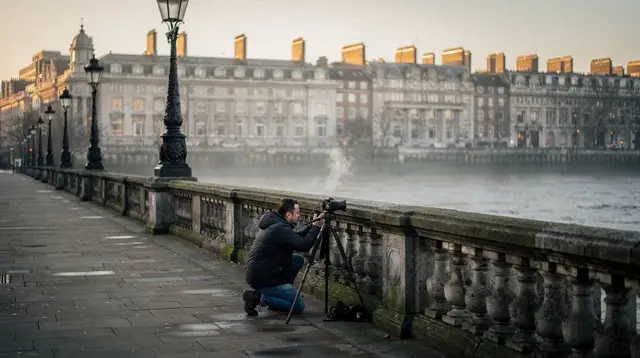
a guided walk through Kensington and Chelsea that takes in the neighbourhood beyond the museum forecourtsThe tourist-trap pattern to recognise
The pattern near any major London sight is consistent, and Kensington and Chelsea is no exception. Watch for:
- Laminated menus with photos of the food. A genuine local spot rarely needs to show you a picture of a sandwich.
- A queue that forms mainly because it is the closest option, not because locals go there. Museum forecourt cafes fill up regardless of quality simply because they are next to the exit.
- No prices on the window, or prices only in a small typeface. If a cafe is confident in its value it usually shows the price clearly.
- A “service included” line that duplicates a tip you then get asked for again at the till. Always check the printed receipt.
None of this means every cafe near the V&A is bad — some are perfectly fine for a fifteen-minute coffee break between galleries — but treat convenience pricing as exactly that, and do not expect it to represent the area’s food scene.
What is actually free here (and what is not)
This is one of the few corners of London where the confusion between “free” and “paid” genuinely matters for planning a day, because the free and paid sights sit right next to each other.
| Sight | Entry | Notes |
|---|---|---|
| Victoria and Albert Museum | Free (permanent collection) | Some temporary exhibitions charge |
| Natural History Museum | Free (permanent collection) | Some special exhibitions charge |
| Science Museum | Free (permanent collection) | IMAX and some exhibitions charge |
| Kensington Palace | Paid | State rooms and gardens; check the current price before booking |
| Kensington Gardens | Free to walk through | The palace building itself is inside but separately ticketed |
The three national museums are genuinely free at the door — no voucher, no donation required, though a donation box is usually near the entrance. Kensington Palace is a separate, paid attraction, and it is easy to assume it is included in a general “royal London” day because it sits inside the free gardens. It is not. If your priority is food and atmosphere rather than the palace’s interior, you can spend a full day around here without paying for a single attraction. For a closer look at what each museum actually covers before you plan your meal breaks around them, see our guide to Kensington and Chelsea’s museums and galleries.
a guided walk that combines Kensington Palace’s gardens with afternoon teaFor visitors specifically interested in the palace’s state rooms, book ahead — the on-the-day queue at the ticket desk is one of the more avoidable waits in this part of London.
Pubs: historic, but check the bill
Kensington and Chelsea has a reasonable number of genuinely old pubs, some dating back well before the surrounding streets were built up, and they are a better lunch option than most museum-adjacent cafes on both price and atmosphere. A few things to know before you sit down:
- Kitchens often close between lunch and dinner service. Do not assume food is available at 3pm just because the pub itself is open.
- A service charge of around 12.5 percent is common on food bills in sit-down areas of a pub, less common at the bar. Check your printed bill; it is usually itemised near the total.
- Tipping at the bar is not expected. If you are just having a pint standing at the bar, rounding up or leaving a tip is a personal choice, not a norm.
- Sunday roasts get busy. Historic pubs in this area do a good trade on Sundays, so book ahead if you want a table rather than standing room.
None of this is unique to Kensington and Chelsea — it is standard across pubs in London — but it is worth repeating here because the area’s older, characterful pubs attract more tourists than a typical neighbourhood local, and that sometimes shows up in the pricing. If pub etiquette in general — ordering at the bar, rounds, and when a tip is and is not expected — is unfamiliar, our broader London pub culture guide covers the norms in more depth than fits here.
Markets and independent food shops
Do not expect a market on the scale of Borough Market or Camden’s food stalls. What Kensington and Chelsea has instead is smaller and quieter: a scattering of independent delis, bakeries and specialist food shops, concentrated mainly around Old Brompton Road and Kensington Church Street, plus occasional weekend farmers’ markets on specific streets that rotate by season.
This is better suited to assembling a picnic — bread, cheese, something from a deli counter — than to a single big market visit as a destination in itself. If you want a proper market experience as part of your trip, that is more realistically found elsewhere in London and is worth planning as a separate outing rather than expecting it here.
a private tour covering the markets around nearby Notting Hill
Notting Hill, just north of Kensington Gardens, is the better bet if a market crawl is the priority for your day — Portobello Road’s stalls are a different scale of operation from anything inside Kensington and Chelsea proper.
Gluten-free and dietary needs
Central and West London generally handle dietary requirements well, and Kensington in particular has a reasonable spread of cafes used to gluten-free, vegetarian and vegan requests, partly because of the affluent residential population as much as the tourist traffic. If managing a gluten-free diet on a short visit feels like a hassle to research on the spot, a guided food route that has already vetted the stops removes the guesswork.
a two-hour gluten-free food tour through Kensington and Notting HillThis kind of tour is aimed specifically at visitors who do not want to gamble on a menu that turns out to have one sad salad as the only gluten-free option — it is built around venues that already cater properly for the diet.
Afternoon tea near Kensington Palace: know what you are paying for
Afternoon tea sold as an experience near Kensington Palace and in the hotels around this part of London tends to sit at the higher end of what afternoon tea generally costs across the city. That is not automatically bad value — some of these venues genuinely deliver a good spread and a nice setting — but it is not representative of “normal” London prices, and it should not be treated as a baseline for what afternoon tea costs elsewhere.
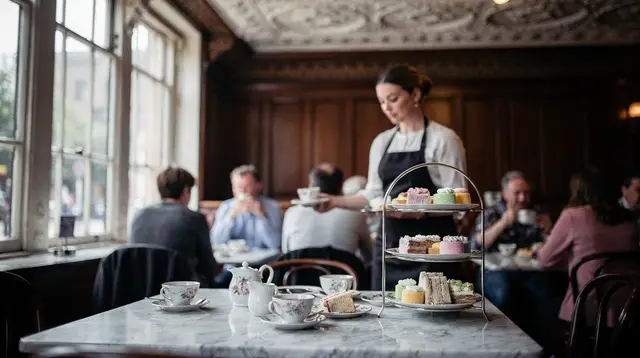
a VIP tour of Kensington Palace Gardens combined with a royal-themed high teaBefore booking any afternoon tea experience, check exactly what is included — some packages bundle a palace ticket, some do not, and the price difference between the two can be significant. The booking page for the specific tour or venue will have the current price; treat any figure quoted elsewhere as a rough guide only, since these prices change. If you are weighing whether afternoon tea anywhere in the city is worth the price, our afternoon tea in London guide compares venues and price bands beyond this one neighbourhood.
Planning your day: a realistic order
A day built around Kensington and Chelsea’s free museums and food does not need to be complicated. A workable order:
- Start at South Kensington station in the morning, before the museum queues build.
- Pick one or two of the V&A, Natural History Museum and Science Museum rather than trying to rush all three — each deserves at least two hours.
- Walk to Exhibition Road, Old Brompton Road or Gloucester Road for lunch, away from the immediate museum exits.
- In the afternoon, walk north through Kensington Gardens toward Kensington Palace if the paid interior interests you, or continue exploring free things to do if it does not.
- End the day with a pub dinner, checking the bill for an already-added service charge before deciding on anything extra.
If you would rather not plan the route yourself, a guided walking tour of the neighbourhood covers most of this ground with local knowledge of where to stop.
a walking tour that links Kensington’s royal sights with the surrounding streets
Getting here and getting around
South Kensington and High Street Kensington are the two Underground stations that bracket this area, both a short walk from the museums and the palace respectively. This part of London is compact enough to cover almost entirely on foot once you arrive — a car is not useful here, and driving in London generally is not the easiest way to get between central neighbourhoods regardless. An Oyster or contactless card covers the Underground journey in from wherever you are staying, with fares capped automatically for the day.
For visitors combining this area with the rest of a London trip, it sits comfortably alongside a day exploring Bloomsbury’s museums or the royal sights around Westminster, and pairs naturally with an afternoon in nearby Notting Hill’s markets if you have the energy for both.
Costs at a glance
| Item | Typical range |
|---|---|
| Coffee and a pastry, museum forecourt cafe | Higher end of London prices |
| Coffee and a pastry, Old Brompton Road cafe | Noticeably less than the forecourt price |
| Pub lunch, main course | Mid-range London pub pricing |
| Kensington Palace entry | Paid; check the current price before booking |
| Afternoon tea near the palace | Higher end of London afternoon tea pricing |
| V&A, Natural History Museum, Science Museum | Free (permanent collections) |
Treat every figure here as a range, not a fixed number — check the venue’s own page or the relevant fast-track afternoon tea and Kensington Palace ticket package listing for the price on the day you are travelling. For how these prices compare with food, transport and admission costs across the rest of the city, our money, tipping and costs in London guide sets out the wider picture.
Kensington and Chelsea food and drink: questions worth settling before you go
Is there a food market in Kensington and Chelsea?
There is no large daily food market on the scale of Borough Market. South Kensington and Chelsea have smaller weekly farmers’ markets and a cluster of independent delis and bakeries around Old Brompton Road and Kensington Church Street, which work better for a picnic lunch than a full sit-down meal.
Are the cafes right outside the V&A and Natural History Museum worth it?
They are convenient but priced for footfall, not value. A sandwich or coffee at the museum forecourt cafes typically costs more than the same item two or three streets away. The museum cafes inside are fine for a quick break between galleries, but not the best choice for a proper meal.
Do I need to tip in Kensington and Chelsea restaurants?
Tipping is not automatic or enforced by law. Many sit-down restaurants already add a service charge of around 12.5 percent to the bill, so check the total before adding anything extra. Pubs generally do not expect a tip at the bar.
Is Kensington Palace worth paying for if the nearby museums are free?
It depends on your interest in royal history. The V&A, Natural History Museum and Science Museum are free at the entrance and can fill a full day on their own. Kensington Palace charges an entry fee and suits visitors specifically interested in its state rooms and gardens rather than a general sightseeing stop.
What is the best area to base a food walk around?
South Kensington station is the practical anchor: the three free museums are a short walk from it, Exhibition Road has cafes and restaurants, and Old Brompton Road and Gloucester Road add more independent options a few minutes further out.
Are afternoon tea prices near Kensington Palace representative of the area?
No. Afternoon tea sold as a tourist experience near the palace and in nearby hotels sits at the expensive end of what London afternoon tea generally costs. Check the current price and what is included on the booking page before assuming it reflects typical local prices.
Food and drink tasting tours on GetYourGuide
Verified deep-linked GetYourGuide tours. Book through these links and we earn a small commission at no cost to you.
GetYourGuide does not provide a product photo for this activity — the image shows the meeting point, photographed by us.