London pub culture: a practical guide
What do I need to know about pub culture in London?
Most pubs serve from around 11am and stop serving between 11pm and midnight, with last orders called shortly before. You order and pay at the bar, table service is rare, and tipping bar staff is not expected. Different areas suit different nights: Shoreditch and East London for late bars, Camden for live music, the West End for a mainstream night out, South Bank and Greenwich for a quieter riverside pint.
How the pub actually works
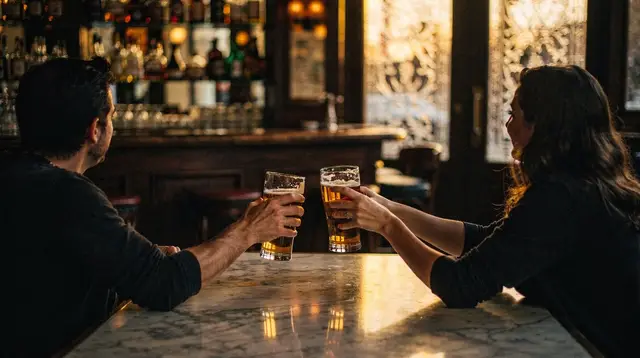
A London pub is not a restaurant with a bar attached, and treating it like one is the fastest way to feel lost on your first night. There is no host, no queue at a door for a table, and usually no menu brought to you. You walk in, find the bar, and wait your turn — not with a ticket, just by standing where the bar staff can see you and catching an eye when it’s free. You order and pay on the spot, then carry your own drinks to a table if one is free, or stand if it isn’t. Food, where a pub serves it, is usually ordered the same way: at the bar, sometimes with a table number you’re given to bring your plate to.
This matters because London pub culture is built around this self-service rhythm. Nobody is rude for not showing you to a seat; that’s simply not how it works. It also means a pub with 40 people in it can feel calmer than a restaurant with 15, because most of that crowd is standing near the bar rather than seated and waiting to be served.
Opening hours and last orders
Licensing in England and Wales allows pubs to serve until 11pm as standard, though a specific pub’s actual hours are set by its individual license and posted near the door. Last orders — the point at which the bar stops taking new orders — is typically called 10 to 20 minutes before closing, followed by a short drinking-up period once the bell rings or the lights are raised.
| When | What to expect |
|---|---|
| Monday-Thursday | Most pubs close 11pm-11:30pm, some earlier outside busy areas |
| Friday-Saturday | Later licenses common in Soho, Shoreditch, Camden — 1am-3am in places |
| Sunday | Shorter hours, often 10:30pm-11pm close |
| Bank holidays | Hours vary by venue; some extend, some close early |
If you’re planning an evening around one specific pub, it’s worth checking that venue’s own posted hours rather than assuming the citywide norm, since a genuinely traditional pub and a late-licensed cocktail bar two doors apart can close four hours apart.
Ordering, queueing, and tipping
The unwritten rule at the bar is queueing by attention, not by a physical line. Catch the bartender’s eye, don’t wave money or shout over other customers, and expect to be served roughly in the order you arrived — Londoners take this more seriously than it might look, and jumping it is one of the few things that reliably annoys a pub crowd.
Tipping at the bar is not expected. There’s usually no tip jar for drinks, and rounding up is a personal choice rather than a norm. Where it gets more formal — a gastropub serving a full dinner — the bill sometimes already includes a discretionary service charge around 12.5%, which is worth checking before adding anything on top. This lines up with tipping norms across London generally; the money and costs guide covers the wider picture beyond pubs specifically.
Types of pub, bar, and night out
“Pub” covers a wide range in London, and knowing the difference saves a wasted trip:
- Traditional pub: beer-focused, often real ale on cask, simple food, low-key atmosphere. The baseline experience.
- Gastropub: a pub built around a serious kitchen, priced closer to a restaurant, usually needs a table booked ahead for dinner.
- Cocktail bar: later hours, spirits and mixed drinks over beer, younger and dressier crowd, sometimes a door policy on busy nights.
- Sports pub: screens for football and rugby, loud and full on match days, otherwise ordinary.
- Hotel bar: quieter, pricier, table service more common — useful for a calmer conversation.
A themed cocktail evening like London the Chocolate Cocktail Club sits at the dressier end of that range — worth booking rather than turning up on spec, unlike most ordinary pubs.
Book a themed cocktail evening at the Chocolate Cocktail ClubWhich area suits which kind of night
London doesn’t have one nightlife scene, it has several, and they sit in different parts of the city. This page stays generalist on purpose — for the specific pubs, bars, and venues, use each area’s own nightlife and pubs guide.
East London: later, edgier, more varied
East London, centred on Shoreditch and Brick Lane, has the city’s densest run of late bars, converted warehouses, and rooftop venues. It’s the area to pick if you want a night that runs past midnight without needing to plan a taxi home from somewhere quiet. It’s also where London’s ghost-story pub crawls cluster, trading on the area’s Victorian-era history — see the ghost and crime tours guide if that’s the flavour of evening you want. For general daytime and evening options in the area, the East London things-to-do page covers more ground.
Camden: live music and an alternative crowd
Camden built its reputation on music venues and a scruffier, more alternative pub scene than the centre of town, and that’s still broadly true. It suits an evening built around a gig or a canal-side pub rather than a polished bar crawl. The Camden things-to-do page lists the wider mix of daytime market browsing and evening options.
West End: the mainstream, tourist-friendly night out
The West End — Soho, Covent Garden, Piccadilly — is where a straightforward night out near the theatres happens. Pubs here are busier, pricier, and more likely to have a queue on a Friday night than anywhere else in the list, but it’s also the easiest area to combine with a show. A West End theatre evening followed by a drink nearby is the classic combination, and a guided walk through the area beforehand helps with orientation on a first visit.
Take a guided walk through central London before your evening outSouth Bank and the river: a calmer, scenic pint
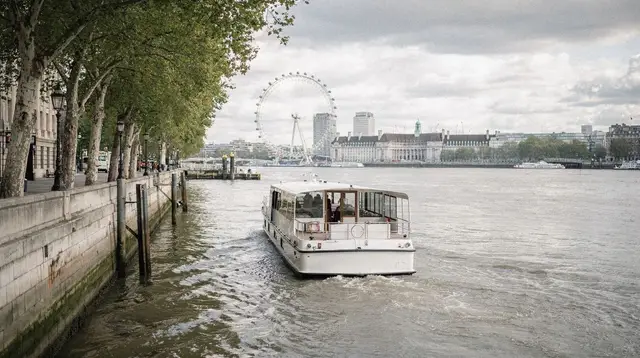
South Bank trades late-night energy for river views. Pubs and bars along the Thames here suit an early evening pint watching the water rather than a big night out, and the area empties out earlier than Shoreditch or the West End. A riverside walk is a good way to see this stretch before settling into a pub with a view.
Join a guided riverside walk along the Thames
Greenwich and Kensington-Chelsea: local and low-key
Greenwich and Kensington-Chelsea both lean toward neighbourhood pubs rather than a nightlife destination — good if you’re staying nearby and want an ordinary evening rather than a planned night out. These are the areas to pick if the rest of your day has been museums and parks and you just want a normal pint to finish it.
A literary pub crawl as a structured way in
If working out which pub to choose feels like overhead you’d rather skip on one evening, a guided pub crawl removes the decision-making. London’s literary pub crawl links several historic pubs with stories about the writers who used to drink in them, which works well as a first evening out — it’s structured, it’s sociable, and it ends with you knowing a handful of pubs worth returning to on your own later in the trip.
Join the London literary pub crawlFood, markets, and pubs together
Several of London’s best evenings mix a market or food stop with a pub rather than treating them as separate outings — Borough Market near South Bank, Brick Lane in East London, and Camden’s food stalls all sit within a short walk of good pubs. The food markets and food tours guide covers that pairing in more detail than fits here.
Getting between areas at night
London’s five nightlife areas above aren’t within easy walking distance of each other, so plan transport rather than assuming you can wander between Shoreditch and the West End. The Underground runs until around midnight on most lines, later on Friday and Saturday nights on some routes, after which night buses and the Night Tube (where it runs) take over. A black cab or a private driver is the simplest option late at night when trains have stopped, particularly if you’re travelling as a group. The getting around London guide covers the Tube, bus, and boat options in full, and general etiquette — including how Londoners queue for everything from the bar to the bus stop — is covered in the guide to queueing like a Londoner.
Arrange a private driver for an evening outPractical notes before you go
- Dress code: most pubs have none. Cocktail bars and some West End venues on a Friday or Saturday night may turn away trainers or sportswear at busier venues — check ahead if you’re unsure.
- Cash or card: contactless and card payment is standard everywhere; carrying cash for pubs specifically isn’t necessary.
- Booking: ordinary pubs don’t take reservations for a drink. Gastropubs serving dinner, and busy cocktail bars on weekend nights, often do — book if you have a specific venue in mind.
- Smoking: banned indoors everywhere in England; smoking areas outside are common but not universal.
- Under-18s: children are often welcome in food-serving pubs during the day, less so after early evening — check the specific venue rather than assuming.
Pub culture, area by area, in the FAQ
The questions below cover what comes up most often about pubs and nightlife in London generally. For pub-by-pub and bar-by-bar detail, the area guides linked throughout this page — East London, Camden, the West End, South Bank, and Greenwich — go further than a citywide overview can.
What time do pubs close in London?
Standard licensing hours run to 11pm or 11:30pm Monday to Saturday, with last orders called 10-20 minutes before close and a short drinking-up period after. Many pubs in the West End, Shoreditch, and Soho hold late licenses to 1am, 2am, or later on Friday and Saturday. Sunday hours are usually shorter, often ending by 10:30pm or 11pm.
Do you tip at the bar in a London pub?
No. There is no expectation of a tip when buying drinks at the bar, and bar staff do not usually have a tip jar out. Some pubs that serve food will add a discretionary 12.5% service charge to a restaurant-style bill, which is worth checking before adding anything extra.
How do you order a drink in a British pub?
You go to the bar yourself, wait your turn without a numbered ticket, and pay when you order. Table service exists in some gastropubs and hotel bars, but the default in an ordinary pub is to order and collect at the bar, then carry your own drinks back to a table.
Which area of London has the best pub scene?
It depends on the night you want. East London (Shoreditch, Brick Lane) suits a later, more varied bar crawl; Camden suits live music and an alternative crowd; the West End suits a straightforward night near the theatres; South Bank and Greenwich suit a calmer riverside pint. Each area’s own guide covers specific pubs and bars in detail.
Are London pubs family-friendly during the day?
Many are. Pubs that serve food, especially gastropubs and those with a garden or riverside terrace, generally welcome children before the evening, though rules on under-18s vary by venue and by time of day. It is worth checking a specific pub’s policy rather than assuming.
What is the difference between a pub, a bar, and a gastropub?
A traditional pub focuses on beer and simple food, often with real ale on cask. A bar leans toward cocktails and spirits, with later hours and a younger crowd. A gastropub is a pub built around a proper kitchen, priced closer to a restaurant, and usually needs a table booking for dinner.
Can you drink outside in London?
Pubs with a licensed outdoor area, garden, or terrace allow drinking there, and on a busy evening crowds often spill onto the pavement outside city-centre pubs. Drinking in an unlicensed public space, such as a park after closing, is generally not permitted, though rules are enforced inconsistently.
Pub crawls and nightlife experiences on GetYourGuide
Verified deep-linked GetYourGuide tours. Book through these links and we earn a small commission at no cost to you.
GetYourGuide does not provide a product photo for this activity — the image shows the meeting point, photographed by us.