The best things to do in London: a planning guide
What are the best things to do in London?
Start with Westminster and the South Bank for the big landmarks, add a free national museum in Bloomsbury or Kensington, and pick one further activity — a food tour, a Harry Potter walk, or a bike ride — before deciding on day trips. Book anything with a fixed time slot in advance; everything else can wait until you land.
Building a list that actually fits your trip
London doesn’t have one obvious itinerary. It has five areas that hold up under a short visit — Central London and Greater London for the city itself, plus three sets of day trips further out — and each one has its own museums, markets, and paid attractions. Trying to see all of it in three days is how people end up standing in a queue at 9am having skipped breakfast. This guide is the generalist starting point: what to prioritise, what’s free, what needs booking, and where to go for the detail on any one area.
If you’ve only got a weekend, read the “how many days” question in the FAQ below before you plan anything else. If you’re deciding between areas, the table in the next section is the fastest way to see what each one is actually good for.
The areas at a glance
| Area | Best for | Typical time needed |
|---|---|---|
| Westminster | Parliament, Big Ben, Buckingham Palace | Half a day |
| The Tower and the City | Tower of London, Tower Bridge, financial district | Half a day |
| South Bank | London Eye, Tate Modern, Borough Market | Half a day to a full day |
| West End | Theatre, shopping, Covent Garden | Evening or half a day |
| Bloomsbury | British Museum, university quarter | Half a day |
| Kensington-Chelsea | V&A, Natural History Museum, Hyde Park | Half a day to a full day |
| East London | Markets, street art, Shoreditch | Half a day |
| Camden | Camden Market, canal walk | A few hours |
| Greenwich | Royal Observatory, Cutty Sark, Greenwich Park | Half a day |
| Richmond, Kew, and Hampton Court | Kew Gardens, Hampton Court Palace, deer park | A full day |
| Warner Bros. Studio Tour | Harry Potter sets and props | Half a day, out at Leavesden |
None of these are the same trip. A day built around Westminster and the South Bank looks nothing like a day built around Kew Gardens and Richmond Park, even though both are technically “London.” Read the destination page for whichever area you’ve picked before booking anything specific.
Central London: the landmarks people picture
Most first-time visitors spend the bulk of their time in Central London, and for good reason — it’s where the Houses of Parliament, Buckingham Palace, the Tower of London, and the West End theatres all sit within a few tube stops of each other.
Westminster is the political and royal core: the Palace of Westminster, Big Ben, Westminster Abbey, and Buckingham Palace, with the Changing of the Guard on published days. It photographs well from the outside for free; going inside any of these costs money and benefits from a pre-booked slot.
The Tower of London and the City pairs a medieval fortress holding the Crown Jewels with Tower Bridge next door, and the historic financial district — the “Square Mile” — around it. This is one of the areas where paying for a guided visit genuinely adds context; the Tower’s history is dense enough that walking through alone leaves a lot on the table.
South Bank runs along the river from the London Eye past Tate Modern, Shakespeare’s Globe, and Borough Market. It’s the easiest area to fill a day on foot without spending much — the walk itself is the attraction, and Tate Modern’s permanent collection is free.
Bloomsbury and Kensington-Chelsea are the museum districts. The British Museum sits in Bloomsbury; the V&A, Natural History Museum, and Science Museum cluster together in Kensington. All of these are free to enter for their permanent collections — a detail worth repeating, because visitors from cities where major museums charge often assume otherwise and skip them.
The West End is where theatre and shopping concentrate, from Piccadilly Circus and Leicester Square through Covent Garden to Oxford Street. It’s an evening area as much as a daytime one; book theatre tickets ahead if there’s a specific show you want.
For a structured look at any of these, the royal London tours guide and the London museums and galleries guide go into more depth than a single overview page can.
Greater London: still on the tube map
Greater London covers the areas just beyond the centre that are still reachable by tube, Overground, or boat rather than a train ticket to another town.
East London — Shoreditch, Brick Lane, Columbia Road — is the area for street art and markets rather than monuments. Camden adds a market and a canal walk with its own distinct character. Greenwich is worth a half-day on its own: the Royal Observatory sits on the Greenwich Meridian, the Cutty Sark is moored nearby, and Greenwich Park gives a genuinely good view back over the city.
Richmond, Kew, and Hampton Court is the one area here that easily takes a full day. Kew Gardens is a UNESCO-listed botanical collection, Hampton Court Palace was Henry VIII’s Tudor residence, and Richmond Park has free-roaming deer. Combining more than two of these in one day is possible but tight — pick two if you’re short on time.
The Warner Bros. Studio Tour is out at Leavesden in Hertfordshire, northwest of the city — not in central London, and not a theme park with rides. It’s a studio tour through the actual sets and props used in the Harry Potter films, and it needs a dedicated half-day including the transfer, whether that’s a train plus shuttle bus or a direct transfer booked separately.
If Harry Potter is the priority rather than a single stop, a guided walk through the London filming locations covers ground the studio tour doesn’t — see the tour options below.
What to actually book, and what to leave until you land
Not everything in London needs booking weeks ahead, but some things genuinely sell out. Timed-entry tickets for the Tower of London, Westminster Abbey, and the London Eye go first on weekends and school holidays. Popular West End shows follow the same pattern. Everything else — museum visits, most walking tours, casual meals — can be sorted out once you’re there.
A guided walk is worth adding if you want context rather than just a list of buildings to look at from outside. For a first taste of the food side of the city, a guided food tasting through a few of London’s best-known markets and neighbourhoods covers more ground in a few hours than wandering alone usually manages.
If the budget is tight, it’s worth knowing how much genuinely costs nothing: a self-guided outdoor route through the city’s free parks, viewpoints, and public spaces is a reasonable way to fill a day between paid museum visits without spending on attractions at all.
For film fans who’d rather stay in the city than travel out to Leavesden, a guided walk connecting the London filming locations used across the Harry Potter films is a lighter alternative to the full studio tour, and it fits into an afternoon rather than needing a half-day round trip.
For a faster way to cover distance between areas, a guided e-bike route through several central neighbourhoods in one outing works well for visitors who want to see more of the city without walking all of it.
Check current prices and time slots on the booking page before committing — this guide gives the shape of each activity, not the day’s exact fare.
Money, transport, and timing while you’re doing all this
A few practicalities carry through everything on this list. The currency is the pound sterling (GBP) — never the euro, regardless of where you’re travelling from. Museums quote free entry, but paid attractions and tours are usually shown as a price range here and on the booking page, since rates change with season and demand.
Getting between areas is almost always tube, bus, Overground, or river boat, using an Oyster card or a contactless card or phone — both cap your daily and weekly fares automatically, so there’s no need to calculate the cheapest combination yourself. The only limit on the contactless side is a per-transaction cap set by banks (currently £100), which has nothing to do with how many trips you take. Most of what’s listed above sits in Zones 1 and 2, so you’re unlikely to need to think about zones at all on a typical day.
If you’re coming from outside the UK, check the entry rules before you travel rather than after landing — most visitors, including EU nationals, need an ETA (Electronic Travel Authorisation) arranged only through gov.uk, never a third-party site. And if you’re renting a car for a day trip out to any of the areas covered in separate guides, remember that driving in the UK is on the left.
Weather is worth planning around loosely rather than precisely: London’s climate is temperate and changeable, averaging around 8°C in January and 23°C in July, with overcast skies common even in summer. Layers and a light rain jacket serve better here than one heavy coat, whatever month you’re visiting.
For the detail behind any of this — budgeting, the Oyster-versus-contactless choice, or what a first-time visitor tends to get wrong — the travel tips section and the budget tool go further than this overview page does.
Choosing between paid attractions and free alternatives
A recurring theme worth stating directly: London’s most expensive attractions are not automatically its best value. The Tower of London and the London Eye are worthwhile for a lot of visitors, but the British Museum, the National Gallery, and Tate Modern are free and rank among the most-visited sights in the city regardless. Before booking a paid ticket, it’s worth checking whether a free alternative nearby covers similar ground — a market walk instead of a paid food experience, a park instead of a paid garden, a free museum instead of a paid one covering an overlapping period.
This isn’t an argument against paying for anything. Guided access — someone who can explain what you’re looking at inside the Tower, or take you through several food stops in one outing instead of guessing where to eat — is often the actual value in a paid experience, more than the entry fee itself. The point is to spend on the things where a guide or a booked slot adds something, and skip paying for what a free walk covers just as well.
Frequently asked questions about things to do in London
How many days do I need to see the main things to do in London?
Three full days covers Westminster, the South Bank, and one museum-heavy area such as Bloomsbury or Kensington-Chelsea without rushing. Add a fourth day for East London or Greenwich, and a fifth if you want a day trip to Windsor or Oxford.
What’s free to do in London?
The permanent collections at the British Museum, National Gallery, Tate Modern, Tate Britain, the V&A, the Natural History Museum, and the Science Museum are free to enter. Parks, markets, and a walk along the South Bank or through Greenwich Park cost nothing beyond travel.
Do I need to book things to do in London in advance?
Timed-entry attractions such as the Tower of London, Westminster Abbey, and the London Eye sell out on peak dates, so book those ahead. Walking tours, food tours, and most museums can be arranged closer to the day.
What should I skip in London?
Anything sold purely on being “the most photographed” spot rarely justifies a long queue on its own. Weigh a big-ticket attraction against a free alternative nearby before committing a whole morning to it.
Is London expensive for things to do?
Museums cost nothing, and Oyster or contactless fares are capped automatically, so a museum-and-walking day can be nearly free. Paid attractions and tours are where the budget goes, so pick two or three that matter rather than one of everything.
Where should I stay to be close to the main things to do?
Central London — Westminster, South Bank, West End, or Bloomsbury — puts most sights within walking distance or a short tube ride. Staying further out in Greater London still works well if you’re comfortable with a longer commute in each morning.
Should I book day trips at the same time as things to do in the city?
Not necessarily. Day trips to Windsor, Oxford, Stonehenge, Bath, Cambridge, or Brighton run from separate stations and are worth planning once you know how many full days you have left after covering the city itself — see the day trips hub for the options.
What’s the best first day in London if I only get one?
A Westminster morning followed by a South Bank afternoon covers the two most recognisable areas within walking distance of each other, ending at Borough Market or Tate Modern as the light fades. It leaves the museum districts and further-out areas for additional days.
Trip planning guides and practical tips on GetYourGuide
Verified deep-linked GetYourGuide tours. Book through these links and we earn a small commission at no cost to you.
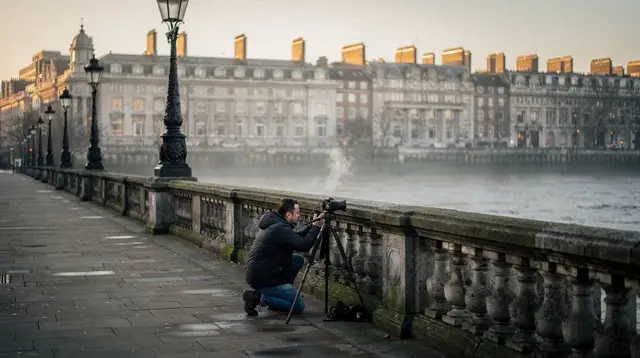
GetYourGuide does not provide a product photo for this activity — the image shows the meeting point, photographed by us.