Group tour or private tour in London: how to choose
Should I book a group tour or a private tour in London?
A small-group tour costs less per person and suits solo travellers or couples happy to share pace with strangers. A private tour costs more overall but lets you set the route, skip parts you don't care about, and matters most for families, Harry Potter fans chasing specific filming spots, or anyone with mobility needs.
What actually separates the two options
Every London tour operator sells some version of the same choice: join a scheduled tour with a fixed group and a fixed route, or hire a guide for just your party and set the route yourselves. The marketing language (“exclusive,” “small-group,” “VIP”) makes this sound more complicated than it is. Strip it back and three things change between the two formats: price per person, who sets the pace, and how much the route can bend once you’re on it.
This page compares the two formats in general terms, in pounds sterling (£, never converted to euros in the listings you’ll book from), so you can decide which one fits your trip before you look at private tours in London or group walking tours for a specific neighbourhood. For the detail on any single district — Westminster, the Tower and the City, the West End — check that district’s own guide rather than expecting this page to cover it.
The core trade-off in one table
| Small-group tour | Private tour | |
|---|---|---|
| Typical price | £25–£70 per person | £150–£300 total (2–4 hours) |
| Group size | 8–20 strangers, guide sets pace | Your party only, you set pace |
| Route flexibility | Fixed script, minor detours only | Adjustable on request or before booking |
| Best for | Solo travellers, couples on a budget | Families, mixed-interest groups, mobility needs |
| Booking lead time | Days, sometimes same day | 2–4 weeks for weekdays, longer for weekends |
| Language options | Usually English only, sometimes one alternate | Often negotiable with the guide directly |
Prices above are ranges, not quotes. Always check the exact figure on the booking page for the date you want — operators adjust for season, and a bank holiday weekend in July prices differently to a Tuesday in February.
Price: where the real gap sits
The headline number that gets repeated is “private costs more,” which is true but incomplete. What matters is the per-person number once you split a private tour’s flat fee across your party.
A private walking tour of London built for two to six people is usually priced as a flat rate for the group, not per head. Split across four adults, a £220 half-day private tour works out to £55 each — competitive with a group tour seat, while giving you the whole guide’s attention. Split across two people, the same £220 becomes £110 each, a real premium over a £40 group seat covering similar ground.
The maths flips again for a family of five: a group tour charges full or near-full adult price for each seat past a certain age, while a private tour’s flat fee doesn’t grow much (if at all) for one or two extra people in the same car or walking group. This is the single biggest reason families lean private and solo travellers or couples on a tighter budget lean group — not taste, arithmetic.
Pace and attention: the part price doesn’t show
A group tour runs on a schedule built for the average visitor in the group. If half the group wants to linger at the Tower of London’s crown jewels display and half wants to move on, the guide picks one pace and the other half waits or gets rushed. That’s not a flaw in any particular operator — it’s what “group” means.
A private guide, by contrast, works from a rough plan but adjusts constantly: more time where you’re interested, a skipped stop where you’re not, an earlier lunch if someone’s tired. This is where families and travellers with mobility needs get the most value, because the guide can shorten walking distances or change a route on the fly in a way no fixed-departure group tour can.
The trade-off: a private guide’s flexibility only helps if you actually tell them what you want. A vague brief gets you their default route, which may not differ much from the group tour script. Book a private London tour of six hours with a short note about your actual interests, and you get a genuinely different day out — not just a more expensive version of the same walk.
Group size in practice
“Small-group” is doing a lot of marketing work across London’s tour listings. In practice it usually means somewhere between 8 and 20 people, occasionally capped lower for niche routes like ghost or crime-history walks. That’s still a real group: enough people that the guide addresses the group, not individuals, and enough that stopping for one person’s question or photo isn’t automatic.
A genuinely private tour caps at whoever is in your booking — often up to six or eight people on a shared rate, sometimes fewer for specialist formats like a private driver-guided tour where the vehicle itself sets the ceiling. If your priority is not sharing a guide’s attention with strangers, that’s the format to book, and no amount of “small-group” language substitutes for it.
Accessibility: a real gap between the two formats
Mobility needs expose the biggest practical difference between a fixed-departure group tour and a private one, and it’s worth being honest about it rather than assuming any tour labelled “accessible” solves the problem. A group tour’s route and pace are set for the average visitor booked that day, which usually means a standard walking pace over 1.5 to 3 miles, uneven pavement in older parts of central London, and stairs at some Tube stations if the route uses public transport between stops. The operator can rarely change any of that on the day, because 14 other people booked the same fixed script.
A private guide can plan around a wheelchair, a walking stick, or simply a slower pace from the start — routing around step-free Tube stations (not all of them have lifts, so this needs saying explicitly when you book, not assumed), choosing pavements without kerbs or cobbles where the district allows it, and building in seated breaks at a bench or a café rather than powering through a fixed itinerary. This isn’t a minor convenience; it’s the difference between a workable day out and one that has to be cut short. If mobility is a genuine concern, say so specifically when booking a private guide — “step-free route” and “minimal walking between stops” are more useful instructions than “accessible,” which different operators interpret differently.
When a group tour is clearly the better call
- Solo travel. Splitting nothing, a group seat at £25–£50 beats a private tour’s flat fee by a wide margin.
- You want to meet other travellers. A shared walking or history tour is a low-effort way to talk to people outside your own party.
- Your interest is broad, not specific. A general first-time overview of royal London or the West End’s theatre district doesn’t need customisation — the standard script covers it.
- Flexible timing suits you. Group tours run on published, frequent departures, so booking the day before or even same-day is often realistic.
When paying more for a private tour earns it back
- Families with young children. Shorter walking stretches, built-in breaks, and a guide who can drop a stop that isn’t landing.
- Mixed interests in one party. One person wants Harry Potter filming locations, another wants Churchill’s wartime history — a private guide can blend both into one route; a group tour can’t.
- Mobility needs. A private guide plans around accessible routes and realistic distances specific to your party, not an average visitor.
- A day trip beyond central London. A private driver-guided tour covering somewhere like Windsor or the Cotswolds bundles the drive, the commentary, and the flexibility to linger, in one booking — worth checking against the per-person cost of a coach day trip for your group size.
- You want a specific niche angle. Wartime London, a themed walking history route, or a running tour along the Thames at your own fitness level: these formats exist mainly as private or small-group bookings, because a general-audience group tour won’t build a route around one narrow interest.
What neither format changes
A few things are true regardless of which tour format you book, and worth separating from the group-vs-private decision entirely:
- Currency stays the same. Every tour is priced and paid in pounds sterling. The UK is not in the eurozone, and no tour operator here quotes or accepts euros as the primary currency.
- You’re not driving. Whether it’s a private driver-guided tour or a coach-based group day trip, the vehicle is on UK roads, driving on the left — that’s the driver’s job either way, not something the tour format changes.
- Entry to national museums is free either way. If a walking route passes through the British Museum or the National Gallery, the free entry to permanent collections applies whether you walked in with 15 strangers or a private guide. What you’re paying for is the guide and the route, not museum admission (which is separate for paid attractions like the Tower of London or Westminster Abbey).
- Transport to the meeting point is on you. Neither format includes your Oyster or contactless fare to reach the start point — TfL’s fare capping on the Tube and buses has no connection to your tour booking.
- Booking a tour is not the same as your ETA. The Electronic Travel Authorisation you may need before flying in is a separate, one-time entry requirement handled only at gov.uk/eta — no tour operator, group or private, issues or replaces it.
A worked example: two couples, one afternoon
Two couples travelling together, four adults, want a three-hour introduction to central London covering Westminster and a bit of the South Bank. A group walking tour runs about £35 per person, so £140 total, on a fixed 2pm departure with roughly 14 other people. A three-hour private walking tour for the same route and duration runs around £180–£220 flat for the whole party of four — £45–£55 each, a £10–£20 per-person premium over the group price, but with a guide who can skip Westminster Abbey’s exterior view (already seen) and add 20 minutes at Borough Market instead, and start whenever suits the group rather than at a fixed 2pm slot.
At four people, the price gap is small enough that the flexibility usually wins. At one or two people, the same maths tips back toward the group option unless flexibility matters more than saving £30–£60.
Booking either format
Whichever you choose, treat the listed price as a range until you check the specific date. Both formats get more expensive around July, August, and the Christmas and New Year period, and both benefit from booking two to four weeks ahead outside of those peak windows — group tours because popular time slots fill, private guides because good ones are only in one place at a time. If your trip also includes an itinerary built around three days in London, decide the group-vs-private question for each day separately rather than committing to one format for the whole visit; a general first morning suits a group tour, a Harry Potter afternoon with kids suits a private one.
If cost is the deciding factor, run the numbers for your actual party size before booking — the budget planning tool makes that per-person comparison faster than doing it by hand, and it’s worth checking whether London feels expensive for your trip overall before locking in the pricier option.
Booking through this site
- a small-group wartime London walking tour, priced per person and a good fit for solo travellers or a couple interested in Churchill-era history without paying for a private guide.
- a private walking tour built around your interests, useful when your party wants to blend two or three themes into one custom route.
- a private driver-guided tour for a day that covers more ground than walking allows, including day trips outside central London.
- a private Harry Potter locations tour, a niche route that suits families and fans far better than a general-audience group script.
A few more questions
Are group tours or private tours easier to reschedule if plans change?
Private tours are usually the easier of the two to move, since you’re dealing with one guide or operator directly and often just a message away from a new date, subject to their availability. Group tours run on fixed, published departures, so rescheduling usually means cancelling your original slot under the operator’s refund policy and rebooking a different time or day from scratch, which can mean paying twice if the cancellation window has passed.
Does a private tour guarantee good weather planning?
No, but it comes closer than a group tour can. A private guide can shift an outdoor-heavy morning to the afternoon if the forecast improves, or swap a walking route for time in the British Museum if the rain doesn’t let up. London’s weather is genuinely changeable year-round — grey skies are common even in July — and a group tour’s fixed departure and route run rain or shine regardless of what the sky is doing that day.
Related reading
For the neighbourhood-level detail this page doesn’t cover, see things to do with a private guide and how that compares by district. For a wider check on whether London feels too touristy once you’ve picked a format, and for royal-focused itineraries specifically, royal London tours and Westminster’s royal sights both work as private or group bookings depending on your party. Pair either format with a food and drink tour or check ticketed attractions separately, since most walking tours don’t include entry fees to sites like the Tower of London or Westminster Abbey. For the wider destination context, start from London or narrow to central London for the neighbourhoods most of these tours actually cover.
Comparisons and buying guides for London tours on GetYourGuide
Verified deep-linked GetYourGuide tours. Book through these links and we earn a small commission at no cost to you.
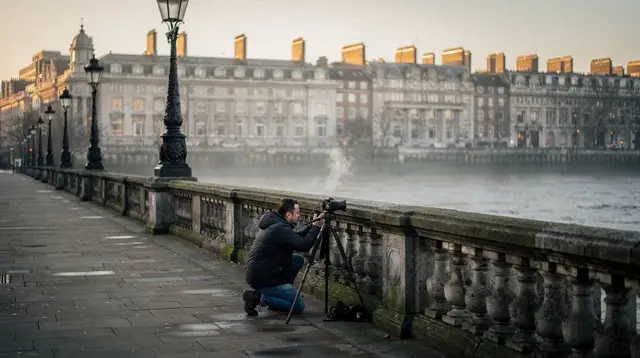
GetYourGuide does not provide a product photo for this activity — the image shows the meeting point, photographed by us.