Things to do in East London: a planning guide
How much time should I set aside for East London, and how do I get there?
Half a day covers Brick Lane and Spitalfields Market comfortably; a full day lets you add Whitechapel and an evening Jack the Ripper walk. East London sits on the Overground, the London Overground, and several Tube and DLR lines, so no car is needed and journeys from central London typically run 15 to 30 minutes.
Planning a visit to East London: what actually needs deciding
East London is not one neighbourhood but a cluster of them — Shoreditch, Brick Lane, Whitechapel, Spitalfields — stitched together by a short walk and a handful of Overground and Tube stations. The planning question that actually matters is not “what should I see” but “how much time do I have, and does that decide between a market visit, a full food walk, and an evening history tour.” This guide answers that directly, using the transport, currency and timing facts that apply across London so nothing here contradicts what you will read on other pages of this site.
Set expectations first: East London rewards walking and grazing more than ticking off single attractions. There is no single “must book in advance” landmark here the way there is for the Tower of London or Warner Bros. Studio Tour. The planning work is mostly about timing your visit to a market day, choosing whether food or history is the priority, and getting the transport right.
How much time to budget
| Plan | Time needed | Best fit |
|---|---|---|
| Brick Lane and Spitalfields Market only | 2.5 to 3.5 hours | First visit, tight schedule, food-focused |
| Brick Lane plus Whitechapel Gallery or Whitechapel Road | Half a day (4 to 5 hours) | Combining food with a slower wander |
| Full day: markets, Whitechapel, evening walking tour | 7 to 9 hours with breaks | First-time visitors who want the fuller picture |
| Evening only: Jack the Ripper or history walk | 1.5 to 2 hours | Add-on to another day already spent in central London |
If you are staying in Westminster or the West End, East London is close enough to add as a half-day rather than requiring a dedicated overnight stop, unlike a Cotswolds or Bath excursion.
Getting there: no car needed, and no car wanted
East London does not require a car, and driving into it is a poor plan regardless of experience: central London’s congestion charge zone, narrow market streets and scarce parking make public transport the practical choice, not just the cheaper one. If you are driving anywhere else in the UK during your trip, remember that the UK drives on the left, which matters more once you leave London for the Cotswolds, Oxford or Stratford-upon-Avon.
Within London, an Oyster card or a contactless bank card or phone covers the Underground, London Overground, DLR and buses, all serving East London directly. Useful stations: Liverpool Street (mainline and Underground interchange, a short walk from Brick Lane), Shoreditch High Street (Overground, right by Brick Lane’s northern end), Whitechapel (Underground, Overground and Elizabeth line, at the heart of Whitechapel Road). Fares cap automatically per day and per week on both Oyster and contactless — you do not need to plan your route around minimising fares, and there is no limit on how many journeys count toward that cap. The only cap that exists elsewhere is a bank-imposed limit on a single contactless transaction, currently £100, which is unrelated to how transport fares are capped.
Most of East London sits in Zones 1 to 2, the same zones covering most of central London’s sights, so a day here does not add meaningfully to transport costs compared with a day in South Bank or Bloomsbury.
Brick Lane: what it actually is, and when to go
Brick Lane is a street, not a single market — the confusion worth avoiding here is treating it as one attraction with one opening time. On weekdays it’s a working street of curry houses, vintage shops and bakeries. On Sundays, the Sunday UpMarket and Backyard Market open alongside it, turning the street into the fullest version of itself: food stalls, vintage clothing, small designers, and considerably more foot traffic. If a market atmosphere is the goal, Sunday is the day to build a plan around; any other day is quieter and better for sit-down eating without queues.
Money-wise, cards and contactless are accepted at the large majority of stalls and restaurants, but a handful of the smallest market stalls remain cash-only, and having some pound coins and notes on hand avoids a wasted queue at a cash machine mid-visit. Prices for a market lunch here run roughly £8 to £15 per person for street food, noticeably less than a sit-down West End meal — worth knowing if budget is part of the planning question.
For a structured introduction rather than self-guided grazing, a food-focused walk covers more ground in less time and adds context a self-guided wander misses: a guided tasting route through the East End’s food history or, for a market-specific version timed around stall hours:
a guided walk through East London’s food marketsWhitechapel: the neighbourhood next door, and why it’s different
Whitechapel sits just south of Brick Lane, along Whitechapel Road, and is a different kind of visit: less market, more layered history. This is the area most associated with the 1888 murders that gave rise to Jack the Ripper tourism, but it is also the historic heart of London’s Jewish East End, home to waves of Bangladeshi, Jewish and earlier immigrant communities whose imprint is still visible in synagogues-turned-mosques, bagel shops and market stalls. Whitechapel Gallery, a free contemporary art space, is worth 45 minutes if gallery visits fit your day; the East London Mosque, one of Europe’s largest, anchors the street visually even if you don’t go inside.
For the Jewish East End layer specifically, a dedicated walking tour reads the streets in a way a self-guided visit generally misses:
a guided walk through the Jewish history of the East EndJack the Ripper and ghost tours: what to expect, and whether to book
Jack the Ripper walking tours are one of East London’s most-booked evening activities, and the planning question worth answering honestly is tone, not history: operators range from measured, historically grounded walks through the actual murder sites to more theatrical, jump-scare-adjacent versions. Read a tour’s description for cues — “guided by a historian,” “with live guide and period detail” and similar phrasing usually signal the former; heavy use of “haunted” or “terrifying” usually signals the latter. Most run 1.5 to 2 hours, start at dusk or after dark, and cover Whitechapel’s streets on foot, which means comfortable shoes and, given London’s changeable weather, a compact umbrella even in summer.
These tours are not aimed at young children given the subject matter; families with kids are generally better served by daytime market visits or a food-focused walk instead.
A realistic half-day and full-day plan
Half day (Brick Lane focus): Arrive late morning via Shoreditch High Street or Liverpool Street. Walk Brick Lane south to north, stopping for a bakery item and a market-stall lunch. If it’s Sunday, budget extra time for the UpMarket. Finish by early afternoon before crowds peak, or extend into a food tour booking if timed right.
Full day (Brick Lane plus Whitechapel plus evening): Start as above, then walk south into Whitechapel by mid-afternoon — Whitechapel Gallery, the mosque exterior, Whitechapel Road’s market stalls. Have an early dinner in the area (curry houses on Brick Lane reopen well before a typical UK dinner hour). Finish with an evening Jack the Ripper or East End history walk, most of which start between 6pm and 8pm depending on season and daylight, since British Summer Time (UTC+1, late March to late October) shifts evening light later than winter’s GMT.
What to skip if time is short
If you only have two to three hours, skip trying to combine Brick Lane and a full Whitechapel wander in one go — the area rewards slower movement, and rushing between the two undersells both. Skip driving here entirely; parking is scarce and the Overground and Underground cover the area better than a car ever will. And if Sunday isn’t available, don’t treat a weekday Brick Lane visit as a lesser version — it’s simply a quieter, food-and-shops version rather than a market day, which some visitors prefer.
FAQ: planning a Brick Lane and Whitechapel visit
Do I need a car to get around East London?
No. East London is well served by the Underground, London Overground and buses, and driving in central areas means congestion charges and limited parking. Public transport with an Oyster or contactless card is the practical option, and remember that UK traffic drives on the left if you do rent a car elsewhere in the country.
Is East London safe for tourists, including at night?
East London is generally safe and heavily visited, including Brick Lane and Whitechapel, which draw large evening crowds for food and walking tours. Standard city precautions apply: stay aware on quieter side streets late at night and keep valuables secure on public transport.
What currency do I need in East London?
The UK uses pounds sterling (GBP), not the euro. Cards and contactless payment are accepted almost everywhere in East London’s markets and restaurants, though a handful of small Brick Lane stalls are cash-only, so carrying some notes helps.
Do I need a visa or ETA to visit East London?
Most visitors, including EU nationals, now need a UK Electronic Travel Authorisation (ETA) before arrival. Apply only at gov.uk/eta, never through a third-party site, and sort this before booking flights, not on arrival.
What is the best time of year for a Brick Lane or Whitechapel visit?
Any month works, since the UK climate is temperate rather than seasonal in the tropical sense, but Sunday is the strongest day for Brick Lane market stalls. Expect cloud cover even in summer months and pack a light waterproof rather than relying on one heavy coat.
Can I use one ticket for the Tube, Overground and buses in East London?
Yes. Oyster and contactless cards work across the Underground, London Overground, DLR and buses, with an automatic daily cap on fares. There is no limit on the number of journeys you take, though contactless bank cards apply their own per-transaction limit, currently £100, which does not affect the transport fare cap itself.
Are Jack the Ripper tours suitable for children or sensitive travellers?
Most walking tours discuss real 1888 murders in Whitechapel with some historical detail, which is not aimed at young children. Operators vary in tone from historical-society to theatrical, so check a tour’s description before booking if you are travelling with kids or prefer a lighter angle.
How far is East London from central London hotels?
Most East London sights sit within Zones 1 to 2, the same fare zones covering most of central London, so journeys from Westminster or the West End typically take 15 to 30 minutes by Tube or Overground. This is closer than Greenwich or Richmond and does not require the DLR-only planning that Warner Bros. Studio Tour or London City Airport transfers do.
Related planning
For the wider transport picture beyond East London specifically, see getting around London by Tube, bus and boat and Oyster card versus contactless payment. For entry requirements before you book anything, see UK ETA and entry rules for London. For a broader sense of what a day in East London costs against the rest of the city, money, tipping and costs in London and London on a budget cover the numbers in more depth.
If East London’s history angle appeals, East London ghost and crime tours and the dedicated Jack the Ripper and ghost tours guide go further into tour selection. For the food side, East London food and drink tours and London’s food markets and food tours cover Brick Lane alongside other East London options. To place East London within a longer London stay, how many days in London and where to stay in London help with the bigger scheduling picture, and things to do in East London rounds up bookable activities in one place. Common planning slip-ups elsewhere in the city are covered in London travel mistakes to avoid.
Trip planning guides and practical tips on GetYourGuide
Verified deep-linked GetYourGuide tours. Book through these links and we earn a small commission at no cost to you.
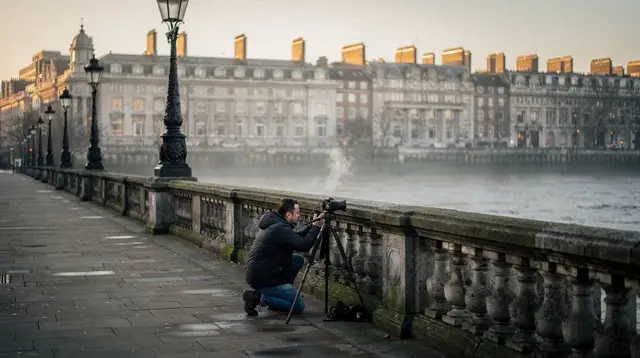
GetYourGuide does not provide a product photo for this activity — the image shows the meeting point, photographed by us.